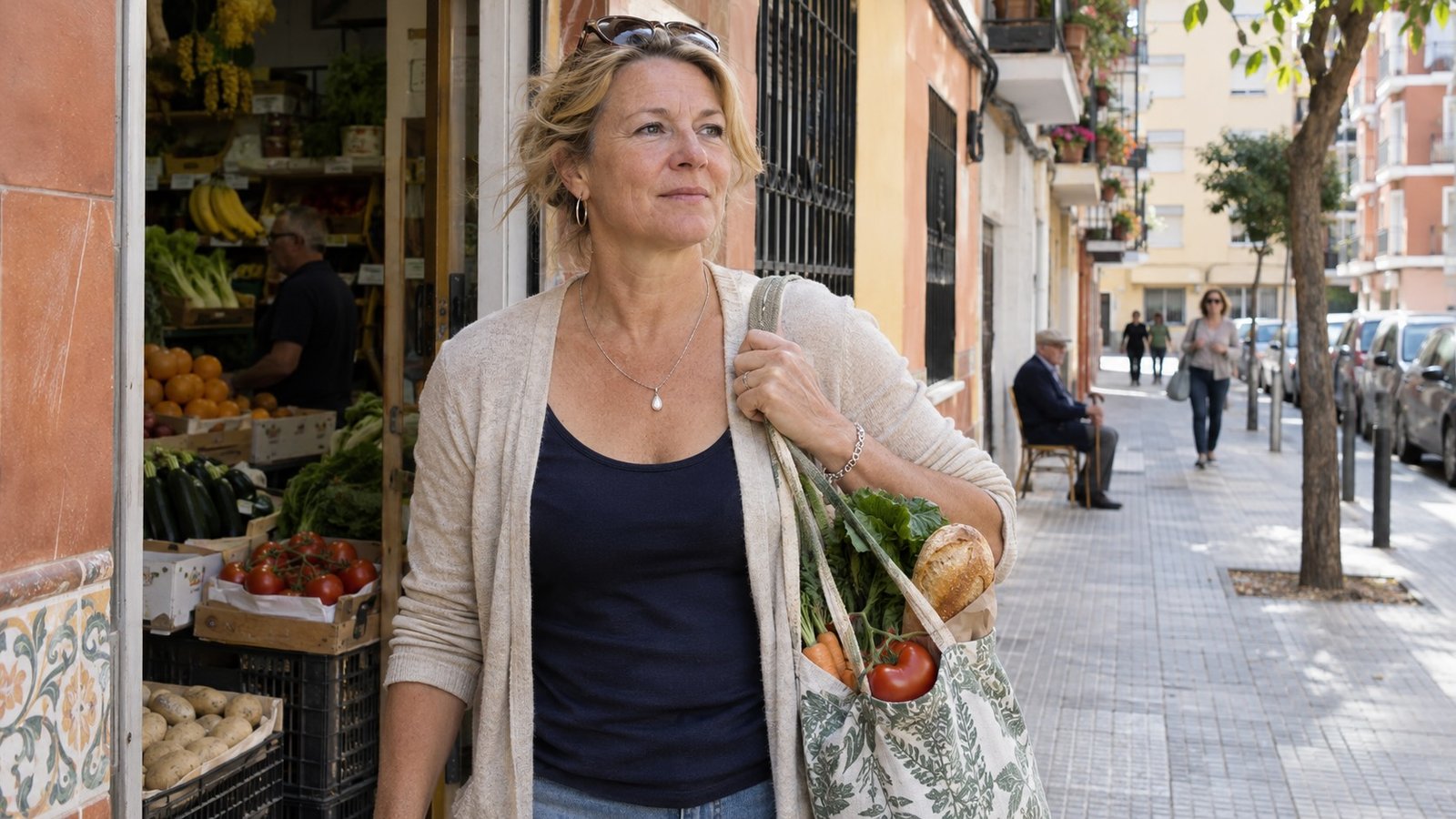
Málaga makes going outside feel like a reasonable plan in January. That matters when you have spent a British winter negotiating with the weather before buying milk. Yet the city’s popularity creates a less relaxing prospect: finding somewhere affordable to keep that milk. Málaga offers beaches, cultural life, an international airport and neighbourhoods where ordinary routines happen outdoors. It also has a housing market increasingly detached from local earnings. For British people considering a permanent move, the question is whether the pleasures still add up once Spanish paperwork, summer nights and monthly rent join the conversation.
Start with permission to stay. British citizenship no longer provides automatic residence or work rights in Spain. Most British visitors can spend 90 days in any rolling 180-day period across the Schengen area, which does not amount to permission to settle. Holding UK residence alone gives someone no British citizenship rights; an Irish or other EU passport changes the position considerably. New British movers usually need an appropriate Spanish residence route. Buying a flat does not supply one: Spain ended new investor residence applications under its golden visa scheme in April 2025.
For people supported by pensions, investments or sufficient savings, the non-lucrative visa offers a route without employment. In 2026, its financial benchmark is €28,800 for the principal applicant, approximately £24,000, plus €7,200 for each accompanying dependant. These are eligibility thresholds, rather than a verdict on comfortable living. Applicants also need suitable healthcare cover and supporting documents. The route prohibits work, including remote professional activity. Initial permission normally lasts one year, with renewals requiring continued eligibility. Five years of qualifying continuous legal residence can lead to long-term residence, subject to the rules on absences; citizenship involves a separate process.
Working adults face different calculations. The international teleworker route suits qualifying work for businesses abroad, with income, experience and social-security requirements. It does not provide unrestricted access to Spanish employment; qualifying self-employed applicants have a limited allowance for Spanish business. Family members can apply under the scheme, subject to their own documentation. Someone seeking a Málaga job instead needs a route permitting that employment. Technology and international services offer opportunities, but English alone narrows the field. Check net salary against actual rents, and investigate Spanish recognition of regulated UK qualifications before assuming your existing career transfers neatly.
Housing deserves more attention than the restaurant shortlist. Idealista’s October 2026 asking-rent index for Málaga city stood at €16.70 per square metre monthly. Applied illustratively to an 80-square-metre flat, that means about €1,340, or £1,120, before utilities. Individual listings vary substantially, and an index does not guarantee availability. The historic centre offers convenience alongside late-night noise and visitor traffic. Teatinos appeals to households wanting a more residential setting, while Huelin combines everyday shops with access to the seafront. Pedregalejo offers a different coastal rhythm, though desirable beachside addresses seldom come with bargain rents.
Read the contract as carefully as the photographs. A seasonal tenancy can be legitimate for temporary accommodation, but offers different protections from a principal-home lease. An eleven-month label should prompt questions about its purpose and conditions. For an ordinary residential tenancy, the statutory cash deposit is one month’s rent, although additional lawful guarantees may apply. The landlord bears agency management and contract formalisation costs. Inspect ventilation, air-conditioning, damp, street noise and lift access. A sunny January viewing reveals little about an August bedroom, and a charming upper floor becomes less charming when carrying shopping after knee surgery.
For planning in November 2026, an illustrative couple renting an 80-square-metre flat might allow €2,300–€2,900 monthly, approximately £1,920–£2,420, for rent, groceries, utilities, internet, local transport and modest leisure. This is a working budget, not a measured city average. It excludes private medical premiums, a car, school fees, flights and major surprises. Market shopping and restrained eating out can help; imported favourites and frequent waterfront meals weaken the savings. A single resident cannot simply halve a couple’s spending because housing dominates. Málaga may feel affordable against London, yet compare less favourably with a mortgage-free home elsewhere in Britain.
Healthcare depends on entitlement and registration. People employed or self-employed within Spain’s social-security system generally access public care through contributions. Eligible UK State Pension recipients can obtain and register an S1, providing access on the Spanish system’s terms. Early retirees without that entitlement commonly need comprehensive private insurance initially; establish cover for existing conditions before committing. GHIC cover for temporary visits does not replace resident healthcare arrangements. Málaga has substantial medical provision, but specialist appointments can involve waiting and consultations may require Spanish. Those planning later life should also price practical support: medical treatment and help with daily living are different needs.
Tax requires its own calendar. Spain generally treats you as tax resident after more than 183 days in a calendar year, but economic interests and family circumstances can also matter. Under ordinary rules, Spanish residents face tax on worldwide income. UK tax residence follows separate tests, while the treaty helps resolve overlapping claims. British rental income, pension withdrawals and investment sales deserve advance attention. An ISA’s UK exemption does not automatically protect it in Spain, and a pension payment described as tax-free in Britain may receive different treatment there. Establish the likely liabilities before choosing your moving date.
Daily life can work without a car if you choose the address carefully. Buses, the metro and suburban trains serve different journeys; the C1 connects central Málaga with the airport and western coastal towns. Eastern neighbourhoods rely more on buses, while hillside homes can turn short distances into strenuous walks. UK connections make family visits practical, although school-holiday fares deserve budgeting. UK State Pensions receive annual increases in Spain, and residents must address driving-licence exchange requirements. Families should investigate school places early: public schooling means Spanish-medium education, while international options can add fees and an inconvenient commute.
Climate changes household priorities. Málaga’s historical airport averages put July and August daytime highs around 31°C, with hotter episodes beyond that. The terral wind can make the heat fierce, and warm nights expose inadequate cooling. Winter sunshine does not guarantee a warm, insulated flat. Heavy downpours and flood exposure merit checks at the property level. Belonging takes effort too: Spanish makes school conversations, appointments and friendships considerably easier. Housing protests and restrictions on new tourist accommodation reflect real local pressure. Becoming a resident means joining that city, including its difficulties, rather than treating it as a permanent holiday service.
Málaga can suit people with a credible residence route, income that comfortably survives the rent, and an appetite for Spanish urban life. Retirees may value walkability and healthcare access; working households need firmer answers about employment and childcare. Anyone relying on a modest local wage or expecting quiet beside the busiest central streets may struggle. Test an ordinary neighbourhood during a hot spell and again in winter, within your permitted stay. Buy groceries, follow the school journey and listen outside the bedroom after midnight. Those exercises reveal more about a future home than another excellent lunch beside the sea.
Post Comment