Muscat isn’t a city that shouts about itself. It hums quietly, like the call to prayer drifting over the sea at dawn. Between its ochre hills and turquoise coves, you’ll find a rhythm that moves at a polite, unhurried pace. Forty-eight hours here isn’t long, but it’s enough to make you question the point of ever going back to anywhere louder.
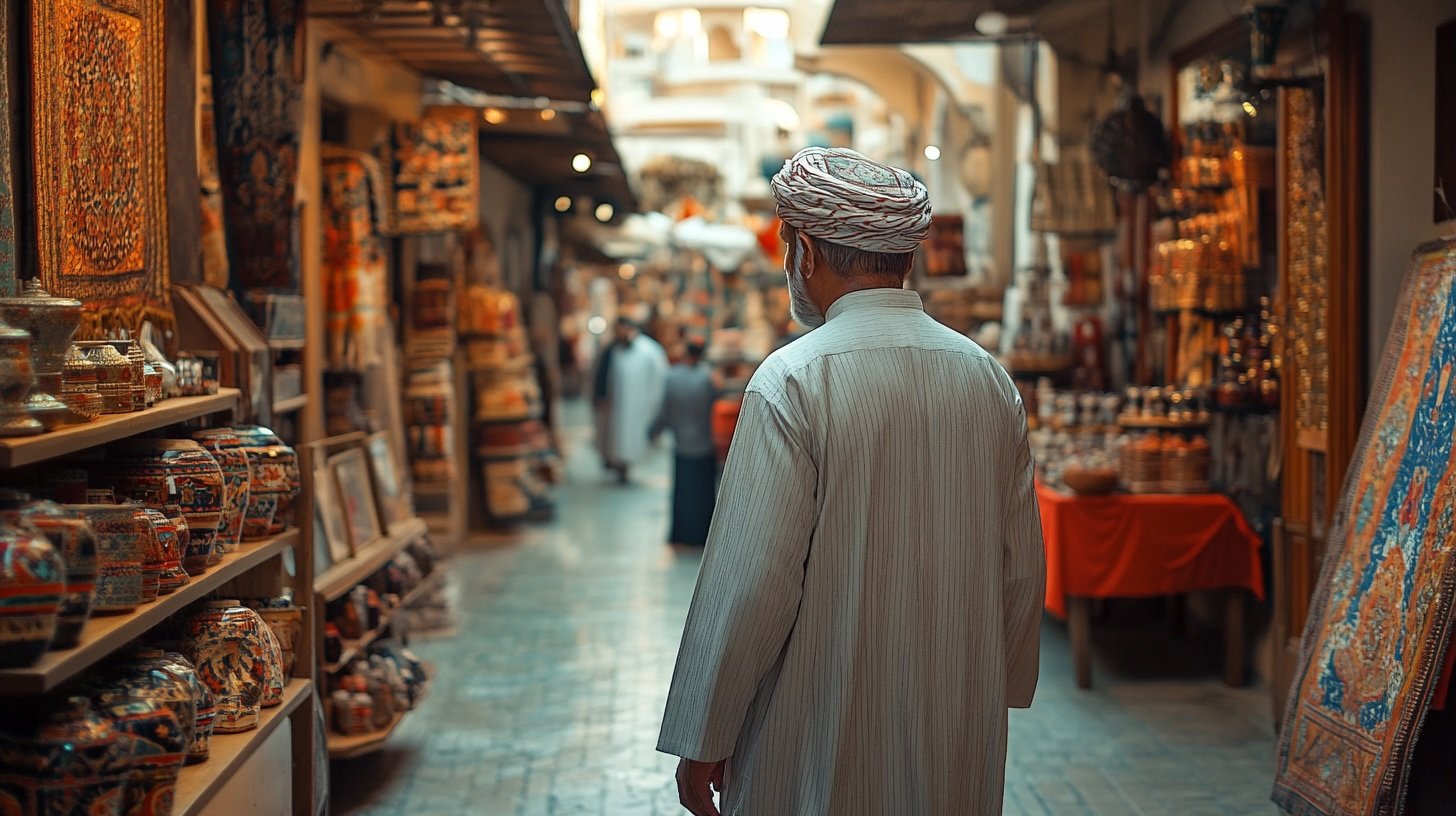
Start your first morning early, preferably before the sun melts your ambition. Muttrah Corniche wakes slowly, the kind of place where fishermen still bring in their catch as joggers pretend they’re in training for something serious. Wander into Muttrah Souq while it’s still cool enough to breathe. The air smells of frankincense and sandalwood, with a side note of fresh cardamom and mild confusion as you get lost among silver jewellery stalls and embroidered dishdashas. Bargain lightly – it’s Muscat, not Marrakech. Stop at Bait Al Luban, across from the port, for a breakfast that feels half royal, half home-cooked: shakshuka, Omani bread, and karak tea so sweet you’ll briefly see the future.
From there, head towards the Sultan Qaboos Grand Mosque, the architectural equivalent of a whispered command. The world’s second-largest handwoven carpet sprawls inside, and the chandelier could double as a small spaceship. Dress respectfully, take your time, and marvel at how something so monumental feels oddly serene. When you step back outside into the desert light, the marble practically glows. You might too, though that’s probably sweat.
Lunchtime calls for air conditioning and shade. Al Angham, near the Royal Opera House, serves traditional Omani cuisine in surroundings that make you check your shoes twice to ensure you haven’t wandered into a sultan’s dining room. Order the harees (slow-cooked wheat and meat) or shuwa (marinated lamb roasted in banana leaves), both comfort food with the self-esteem of royalty. After lunch, stroll through the Opera House itself – an immaculate blend of Islamic design and modern acoustics. Even if you’re not staying for a performance, the marble corridors and polished wood will have you whispering instinctively.
Afternoon is for beaches. Qurum Beach stretches lazily along the city, a strip of soft sand where locals picnic, kids kick footballs, and expats pretend to read. Rent a kayak or just float until your responsibilities dissolve somewhere near the horizon. If you prefer something quieter, drive to Al Bustan Beach, framed by cliffs that look like they were designed by a moody artist. Have a coffee at Al Bustan Palace Hotel – part palace, part mirage – and let the concierge’s politeness restore your faith in civilisation.
As evening rolls in, make your way to Muttrah Fort for sunset. The climb isn’t exactly Everest, but the view over the Corniche, the old port, and the curve of the bay is pure theatre. The city lights start twinkling just as the muezzins begin their chorus, and for a moment, the world seems to stop trying so hard. Dinner can wait until you descend – and when it does, Kargeen in Al Khuwair will deliver. Hidden behind palm trees and fairy lights, this open-air restaurant serves Omani and Arabic dishes under the stars. Order the grilled kingfish or the camel biryani if you’re feeling adventurous, and finish with halwa, a sticky, spiced dessert that tastes like an Arabian fairy tale in sugar form.
The next morning, escape the city’s calm before it lulls you into permanent residency. Head east along the coastal highway to Wadi Shab. It’s about ninety minutes of driving through landscapes that resemble the surface of Mars, only more photogenic. At Tiwi, you’ll park near a small village, take a short boat ride across the wadi entrance, and hike for forty-five minutes through palm groves and rocky paths. The reward is a series of turquoise pools tucked between limestone walls, ending in a hidden waterfall inside a cave. You’ll swim through a narrow crack in the rock to reach it, which sounds dramatic but feels oddly natural once you’re in the cool, clear water. Bring waterproof shoes and a sense of humour – slipping is inevitable, dignity optional.
Lunch on the return journey at the roadside café in Tiwi or stop in Quriyat for grilled fish and rice. The food will be simple, fresh, and served with that Omani knack for quiet hospitality. Back in Muscat, detour through the Marina Bandar Al Rowdha, where yachts bob lazily against a backdrop of ochre cliffs. If you’ve got energy left, take a late-afternoon dhow cruise around the bay. The wooden boats glide past the old forts, the Sultan’s Al Alam Palace, and the Portuguese-built Al Jalali and Al Mirani forts, now silent sentinels guarding the harbour. Dolphins sometimes join in, because of course they do.
For your final evening, do it properly: head to the Chedi Muscat. Yes, it’s the city’s most famous hotel, and yes, it’s worth the cliché. Have a drink by the long infinity pool as the sun turns the mountains the colour of copper, then dine at The Restaurant, where Omani seafood meets cosmopolitan flair. The atmosphere is so perfectly balanced between serene and smug that you might start planning your next visit halfway through dessert.
If you prefer something more local, finish the night at a seaside café along Qurum Beach with a mint lemonade or karak tea, watching the headlights glide along the Corniche. Muscat at night doesn’t dazzle; it glows gently, like a lantern in a quiet alley. Two days in, and you’ll realise that this city doesn’t try to impress – it simply is. And that’s precisely what makes leaving so difficult.